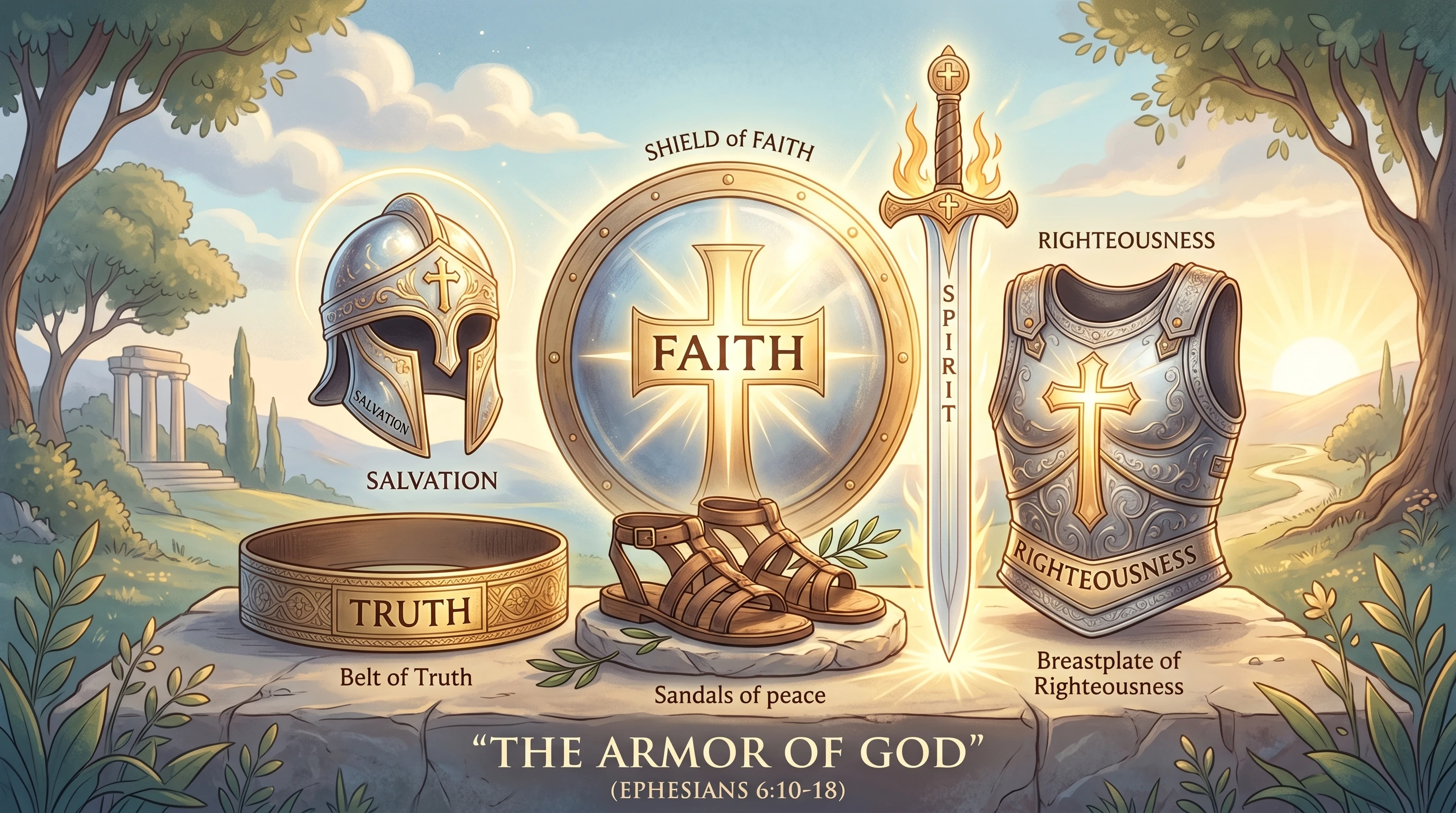
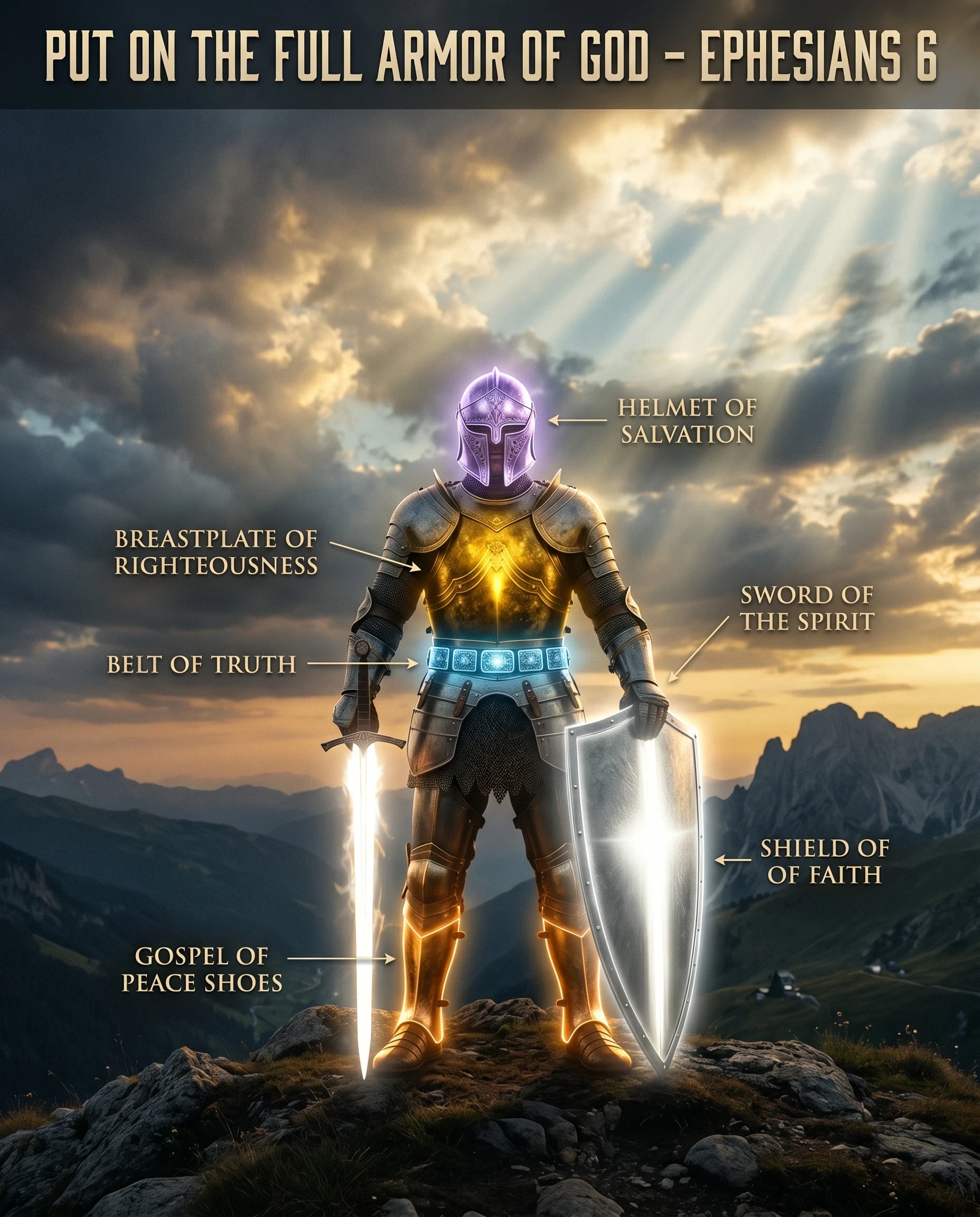
 The armor of God from Ephesians is a group of spiritual tools that Christians are encouraged to use daily in their lives. The Apostle Paul, who wrote Ephesians, used the picture of a Roman soldier’s armor to explain how believers can protect themselves from spiritual struggles and temptation. I often turn to this passage when I’m feeling spiritually worn or unsure. These images help make the ideas easier to understand and remember.
When reading Ephesians 6, I see instructions to actively prepare myself as a follower and firm believer of the Lord Jesus Christ. I don’t have to just wait around hoping things will get easier. I am aware that I am waring against my own flesh, against the principalities and the forces of darkness in the realm of the spirit.
Paul didn’t write these words only for people in his day. Believers must fully armed with the armor of God to stay strong in faith through hard times. Here, I want to break down each piece and help you see how you might use the armor of God in everyday situations. These ideas aren’t supposed to feel complicated or unreachable, but rather practical and part of christian living with steady faith.
What Does “Armor of God” Mean?
The phrase “armor of God” comes right out of Ephesians 6:10-18 in the New Testament. Paul describes the Christian life as a battle. This battle is not about what we see in the world. He says we need a defense system to deal with challenges that test our faith, attitude, and commitment.
Paul talks about spiritual opposition, things like discouragement, doubt, temptation, and fear. He is not telling believers to prepare for physical fighting, but staying strong and focused spiritually. The armor of God is a set of qualities and actions that help believers stay true to their faith and not give up. I have heard people explain these, but every time I look at the scripture, the practical meaning stands out more and more.
“Put on the full armor of God, so that you can take your stand against the devil’s schemes… For our struggle is not against flesh and blood, but against the rulers, against the authorities, against the powers of this dark world and against the spiritual forces of evil in the heavenly realms.” Ephesians 6:11-12 (NIV)
Six Parts of the Armor of God
- Belt of Truth
- Breastplate of Righteousness
- Shoes of the Gospel of Peace
- Shield of Faith
- Helmet of Salvation
- Sword of the Spirit
Each one is a picture describing a spiritual habit or mindset. A life of faith is not something you only do on Sundays but has a spot in daily life and choices. Whether you’re new to faith or have been at it for years, these ideas offer a fresh way to look at your own routines.
1. The Armor Of God: Belt of Truth
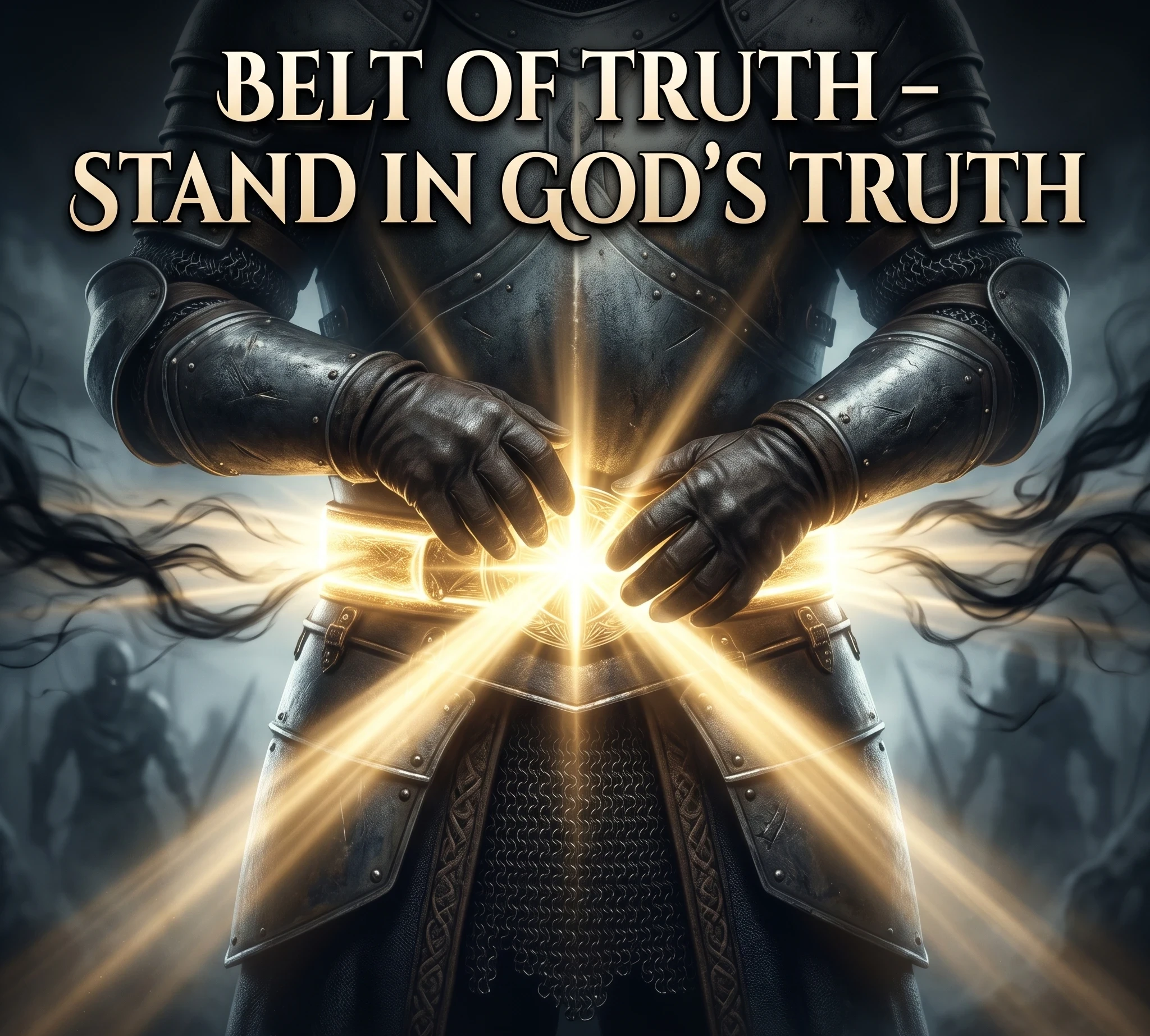
The belt in ancient armor is a decorative pieace . It held all the other pieces together and made movement easier. When Paul talks about the “belt of truth,” he means holding onto honesty and the truths of what God says.
I see this as really important because without truth, everything else feels shaky. In everyday life, truth protects me from lies (including ones I sometimes tell myself) and helps me make decisions based on reality, not just feelings or pressure. Even small steps in honesty can build trust with others and with yourself.
How to Practice the Belt of Truth
- Staying honest even when it’s hard or inconvenient
- Making an effort to learn what the Bible says, not just what I wish it said
- Talking openly about doubts or questions instead of hiding them
- Sharing truthful thoughts with people I trust
2. The Armor Of God: Breastplate of Righteousness
In battle, the breastplate protected a soldier’s heart and vital organs. Paul uses “righteousness” to talk about living the right way, making choices that are fair and right in God’s eyes. For me, righteousness isn’t about being perfect. It’s about wanting to do what’s right and turning to God for help when I mess up.
Sometimes, guilt or shame can weigh me down. Wearing this “breastplate” reminds me I’m forgiven when I ask and can keep moving forward, doing my best. Righteous living isn’t only about avoiding mistakes, but about making things right whenever I stumble.
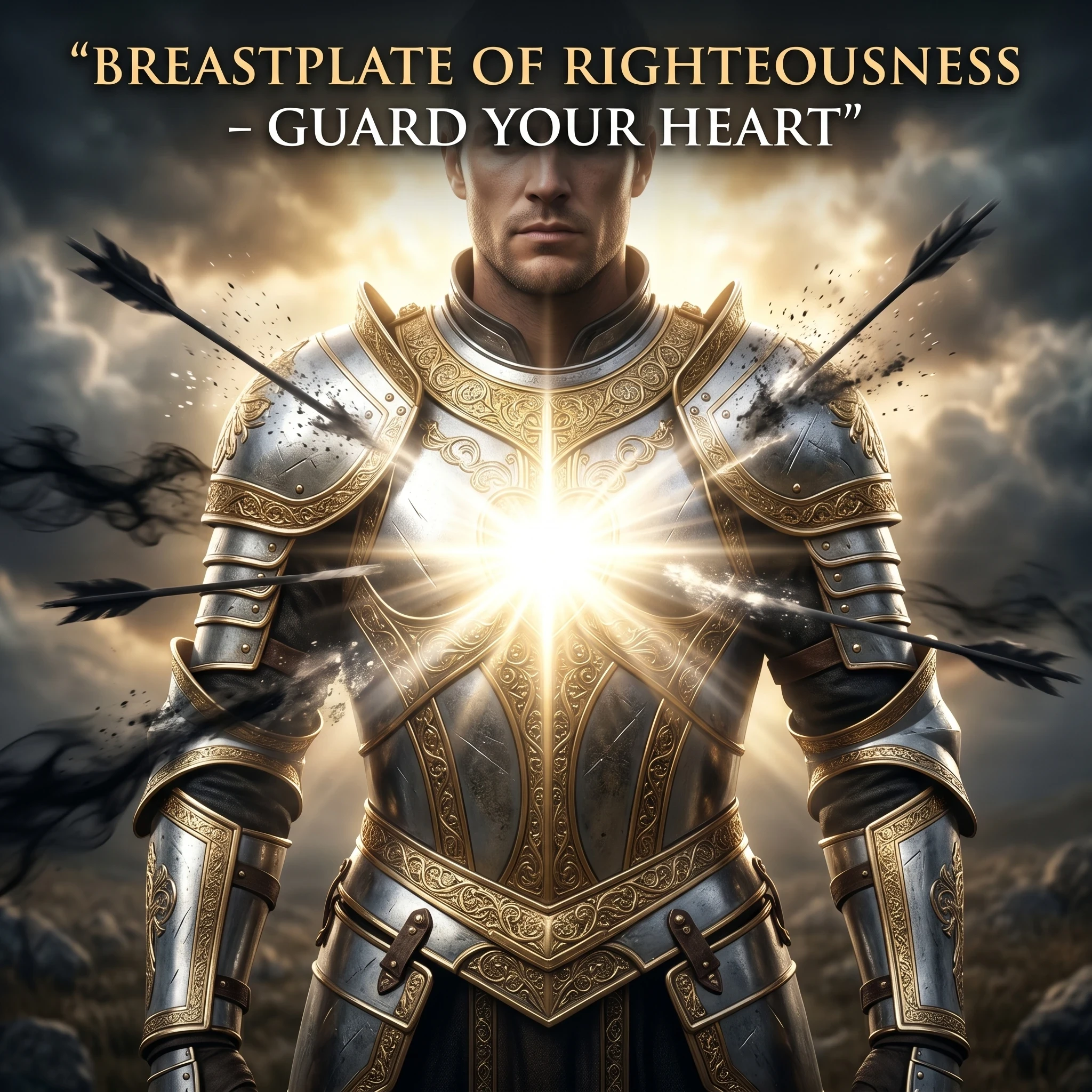
Everyday Ways to Wear the Breastplate of Righteousness
- Admitting mistakes and making things right
- Choosing not to join in gossip, even if it makes me stand out
- Trying to be fair and kind at work, school, or home
- Sticking to my values when under pressure
3. The Armor Of God: Shoes of the Gospel of Peace
Shoes in ancient armor let soldiers move without slipping, ready for rough ground. Paul connects this with “the gospel of peace”, the good news about Jesus bringing peace with God and between people. I think of these shoes as what helps me stand firm and move forward calmly, even when life is stressful or full of conflict.
In my experience, peace doesn’t always mean being calm or quiet. Peace is making the choice not to escalate a tense situation. A peaceful attitude can open the door to solving problems together without harsh words or grudges.
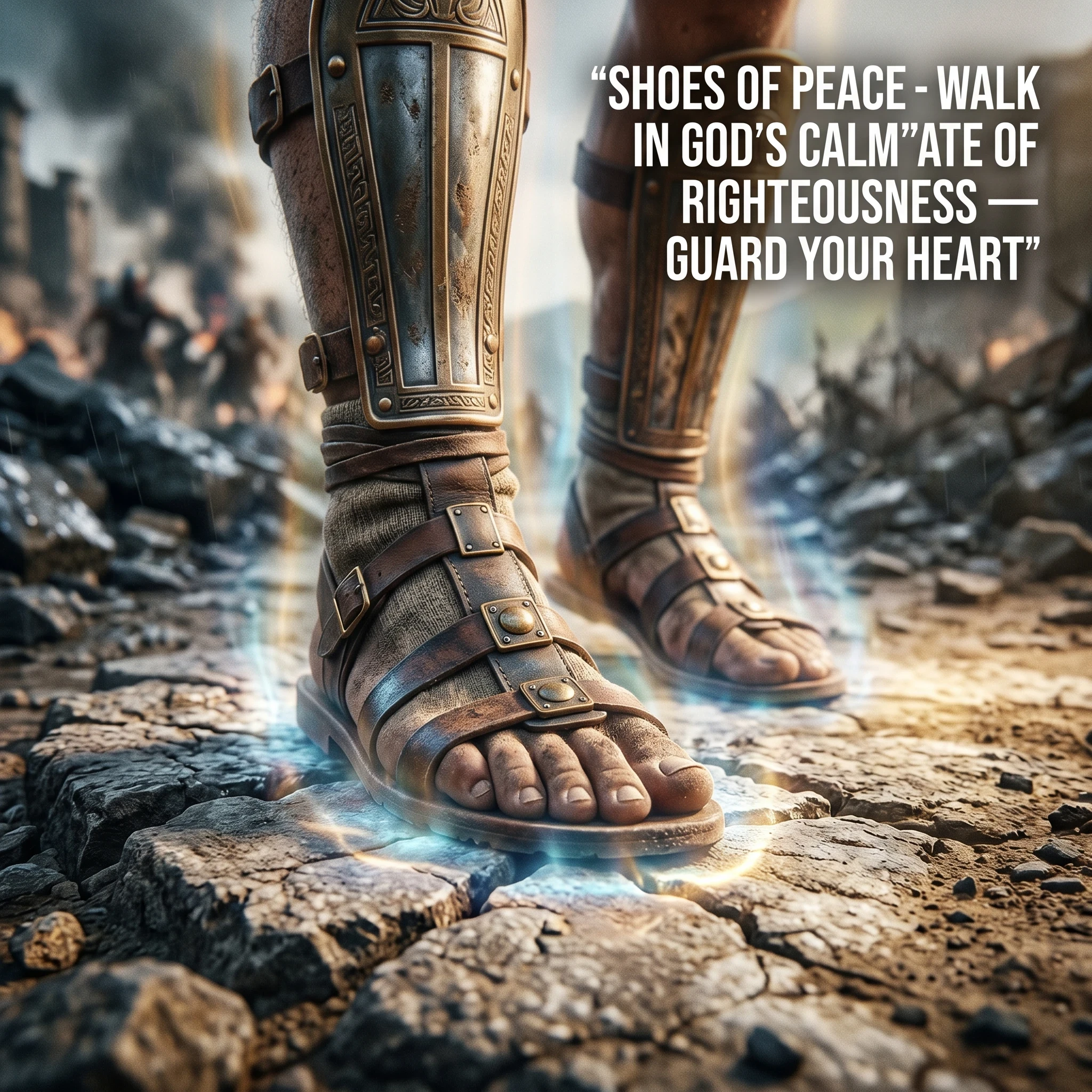
Practical Ways to Use the Shoes of Peace
- Working to bring peace in arguments, rather than stirring up drama
- Telling others about the hope I find in God when things get tough
- Finding comfort in prayer and trying not to worry about things outside my control
- Taking a deep breath before responding when I’m upset
4. The Armor Of God: Shield of Faith
Roman shields were big enough to protect the whole body. Paul’s “shield of faith” means trusting God even when doubts are strong or things don’t make sense. Faith is not pretending problems aren’t real. Faith is choosing to believe God can help me deal with them.
According to the letter, this shield “extinguishes all the flaming arrows of the evil one.” For me, that means faith helps absorb or block negative thoughts, fear, and criticism so they don’t control what I do. Holding up faith can also give courage when you have to stand alone.
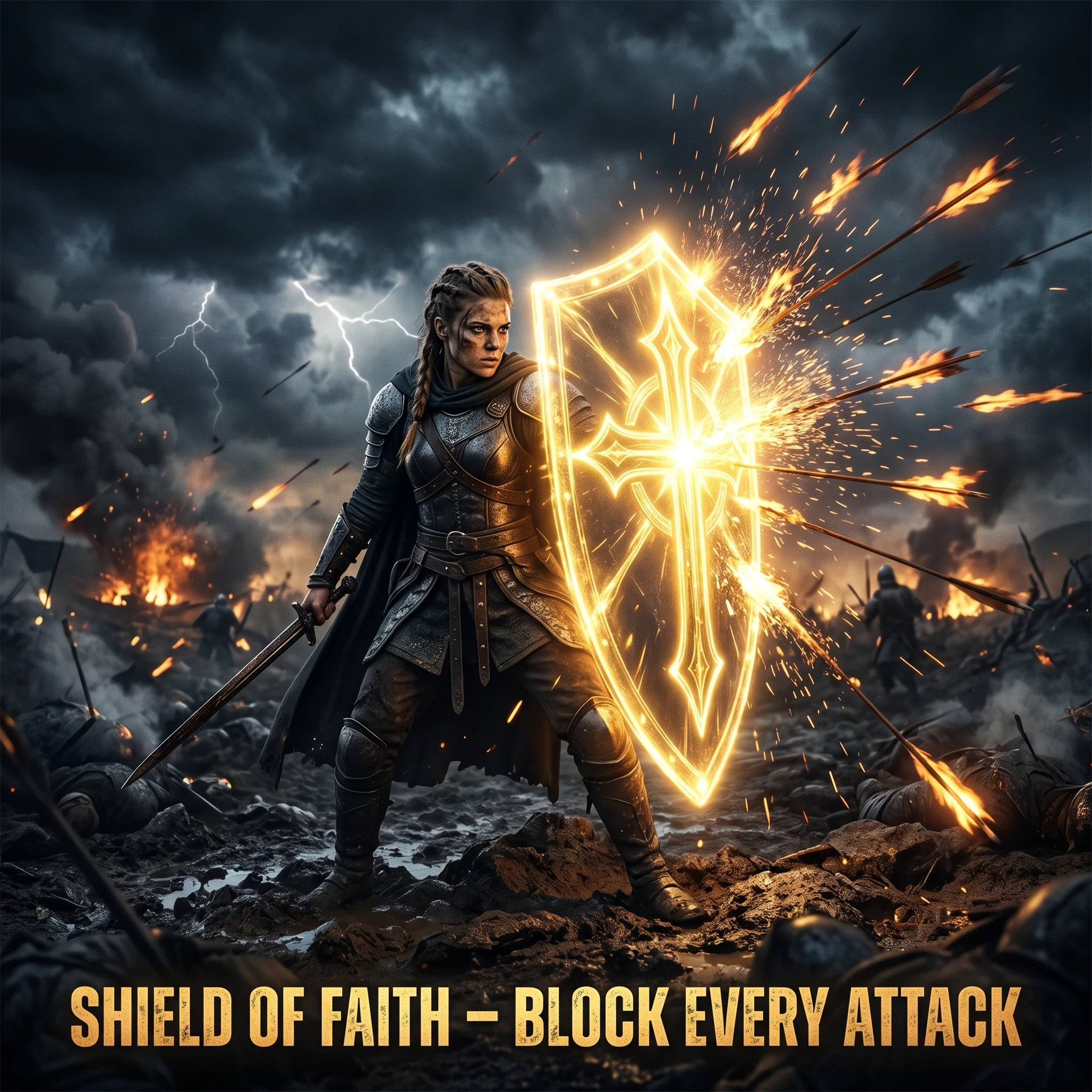
Building Up the Shield of Faith
- Remembering times when faith pulled me through past challenges
- Reading stories of faith in the Bible and from others
- Praying regularly, even when it feels awkward or quiet
- Writing down answered prayers and moments of encouragement
5. The Armor Of God: Helmet of Salvation
Helmets are there to protect the head. The “helmet of salvation” is about protecting my mind with the knowledge and confidence that God loves me and has saved me. Salvation means I belong to God, no matter what anyone else says about me.
This gives me confidence when I’m feeling unsure about my value or worth. The helmet helps fight thoughts of failure, insecurity, or feeling like I don’t measure up. Reminding myself of God’s promises helps me deal with self-doubt.

Keeping the Helmet in Place
- Repeating promises from the Bible in my head, especially when I doubt myself
- Spending time with friends who encourage my faith
- Thinking about how much I’m loved by God, even on off days
- Choosing to remember past experiences of God’s help
6. The Armor Of God: Sword of the Spirit
All the other armor pieces are defensive, but the sword is for taking action. Paul says the “sword of the Spirit” is God’s word. It gives me answers and guidance when I’m confused, tempted, or need to make a difficult choice.
I use verses I’ve memorized or read to remind me what’s right and to find courage. Sometimes just reading a Psalm or a promise out loud makes a big difference when I feel like giving up. The sword brings life to action by providing truth to speak into tough moments, whether silently or aloud.
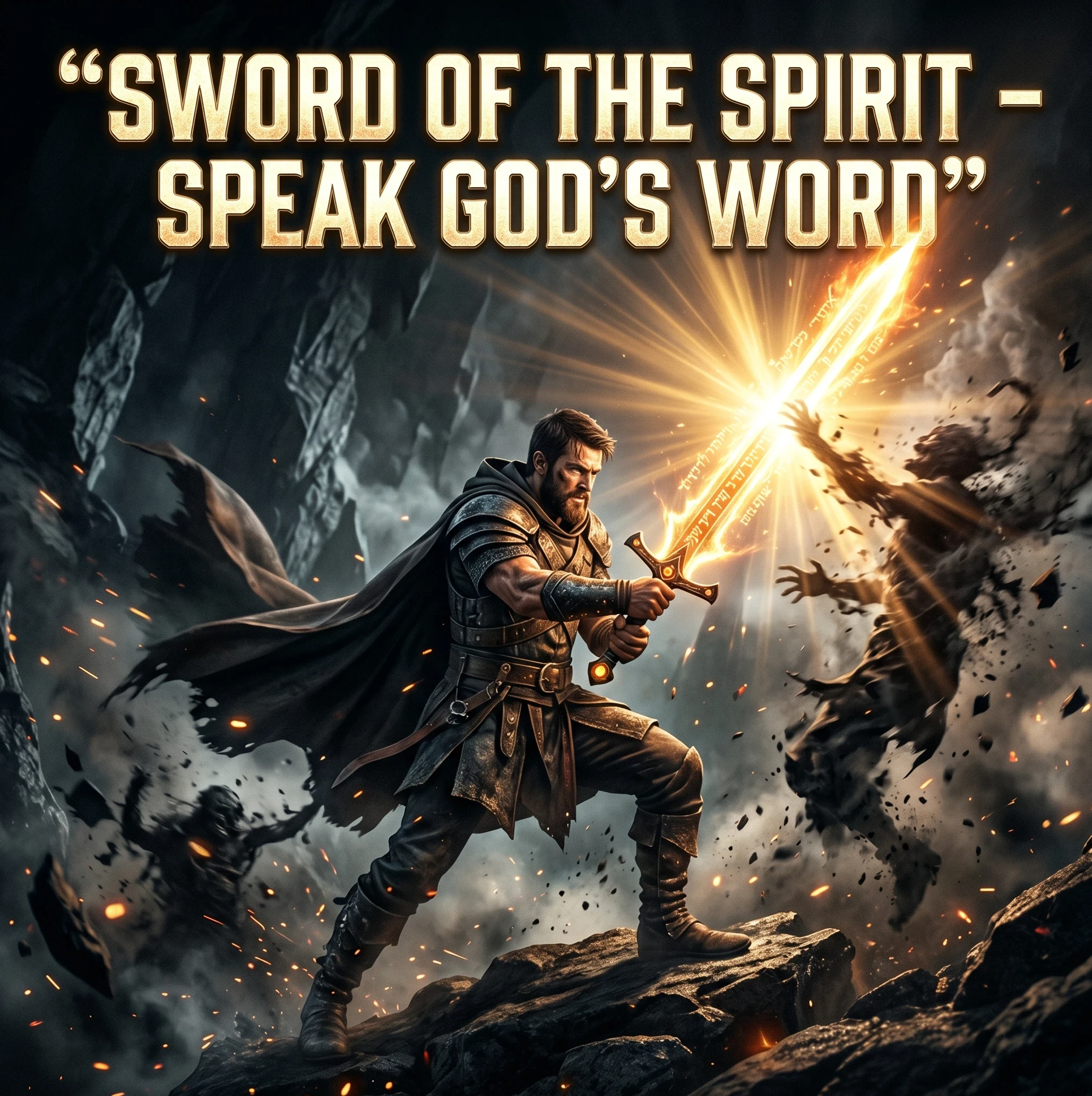
Ways I Use the Sword of the Spirit
- Keeping a few favorite Bible verses on my phone or written down
- Reading or listening to scripture regularly, not just when I’m in trouble
- Sharing Bible encouragement with others who need it
- Trying to memorize a verse each week
Why Putting on the Armor of God Matters
Paul’s letter isn’t just about defense for the sake of survival. The armor of God encourages me to be proactive in personal growth and spiritual readiness. It’s about being prepared so that when hard moments come, like stress, criticism, temptation, or doubt, I’m not caught off guard or alone.
I’ve noticed that when I focus on one part of the armor at a time, it’s easier to practice and build up my outlook, faith, and courage. More than a list, these pieces become daily habits that make my faith more real and steady, no matter what’s happening around me. You might even want to take a week to work specifically on each piece and reflect on the changes in your mindset. For more on spiritual practices and biblical advice, I often check out resources from trusted sites like Bible Gateway and read different translations to get the full meaning of passages like this one. And remember, you’re not alone in the adventure of faith. Small, consistent steps can make a big difference each day.
Related article
How to Grow Strong Faith Daily
Powerful Bible Verses for Strength
Paul, M.
WhatsApp: +66982252990/+917085928263
Email: paulmondo@bibleliteracyteacher.com /info@bibleliteracyteacher.com
Website: www.bibleliteracyteacher.com
Social Media: Facebook | Twitter | Pinterest | LinkedIn | YouTube