Paul the Apostle was once a fierce opponent of Christians—but after a life-changing encounter with Jesus, he became one of the most influential leaders in history. Discover his journey, his message, and why his life still matters today.
 Saul transforming into Apostle Paul
If you’re ready to understand the immense impact a single individual can have on history, then Paul the Apostle is a figure you can’t overlook. His influence on early Christianity is as profound as it is far-reaching, shaping not just the religion, but also the course of Western thought and culture. But who was this man, and why does he command such a lasting legacy? In this introductory section, you’re going to find out about the crucial roles Paul played.
Understanding Paul requires us to look beyond his biblical appearances. It’s about getting to the essence of a man whose life’s work was driven by a vision that transcended his time. Through his epistles, he communicated complex theological ideas that continue to resonate within the Christian tradition. This is about the relevance of his teachings in contemporary religious discourse.
As we move forward, we’ll explore Paul’s upbringing in Tarsus, his education under Gamaliel, and his initial opposition to Christians, setting the stage for his dramatic conversion. This groundwork is key to comprehending the subsequent chapters of his life, his expansive missionary work and his prolific writing, which includes some of the most influential parts of the New Testament. Don’t worry too much about getting mired in the details. I’m here to guide you through the highlights and their implications.
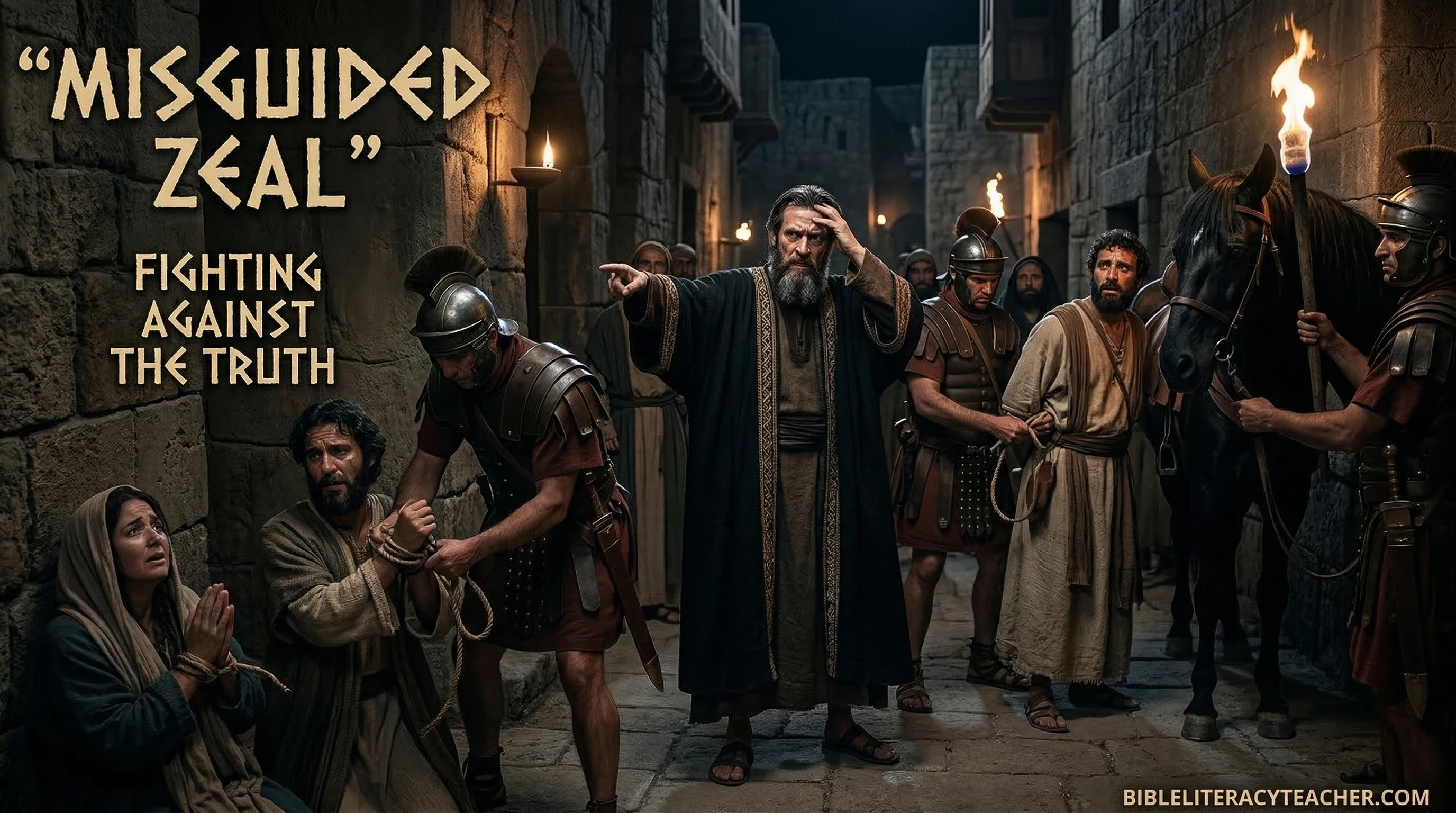 Saul persecuting early Christians with Roman soldiers showing his opposition to followers of Jesus
Paul Before Paul: The Making of an Apostle
I’m going to paint a picture of a young man growing up in Tarsus, a major hub of commerce and Hellenistic culture located in the present-day region of southern Turkey. As you step into his shoes, you’re going to find out about Paul’s – then known as Saul – formative years, which played a critical role in shaping his outlook and approach to life.
His early life was steeped in the rich traditions and strict disciplines of Judaism. Tarsus was a bustling metropolis where ideas from East and West mingled freely. It’s here that Saul’s identity as a Jew among the gentiles sharpened both his understanding and defense of Jewish traditions.
Imagine a young Saul moving to Jerusalem, thirsty for knowledge. He sat under the tutelage of Gamaliel, a respected rabbi and a leader among Pharisees. The young Saul underwent rigorous academic training that cultivated a worldview where the Torah was central.
Saul’s zeal wasn’t confined to intellectual pursuits alone. He became a Pharisee, a sect known for its strict adherence to the Mosaic Law and fervent nationalism.
It’s this fervor that propelled him to take an active stance against what he perceived as a dangerous sect – the early followers of Jesus, derogatorily known as the Nazarenes.
While he was a staunch defender of Jewish faith, his later writings reflect an individual well-versed in Greco-Roman rhetoric and thought. This dual-identity as a Roman citizen and Jewish Pharisee granted him a unique lens through which to interpret and preach his soon-to-be-embraced Christian faith.
As you’re getting ready to turn the page to Saul’s profound life-turning experience, remember that his early days were marked by a fervent persecution of Christians. This dark prequel sets the stage for a dramatic turn that not only altered Saul’s life course but significantly influenced the spread of Christianity. The man who hunted Christians was about to become one of their chief architects.
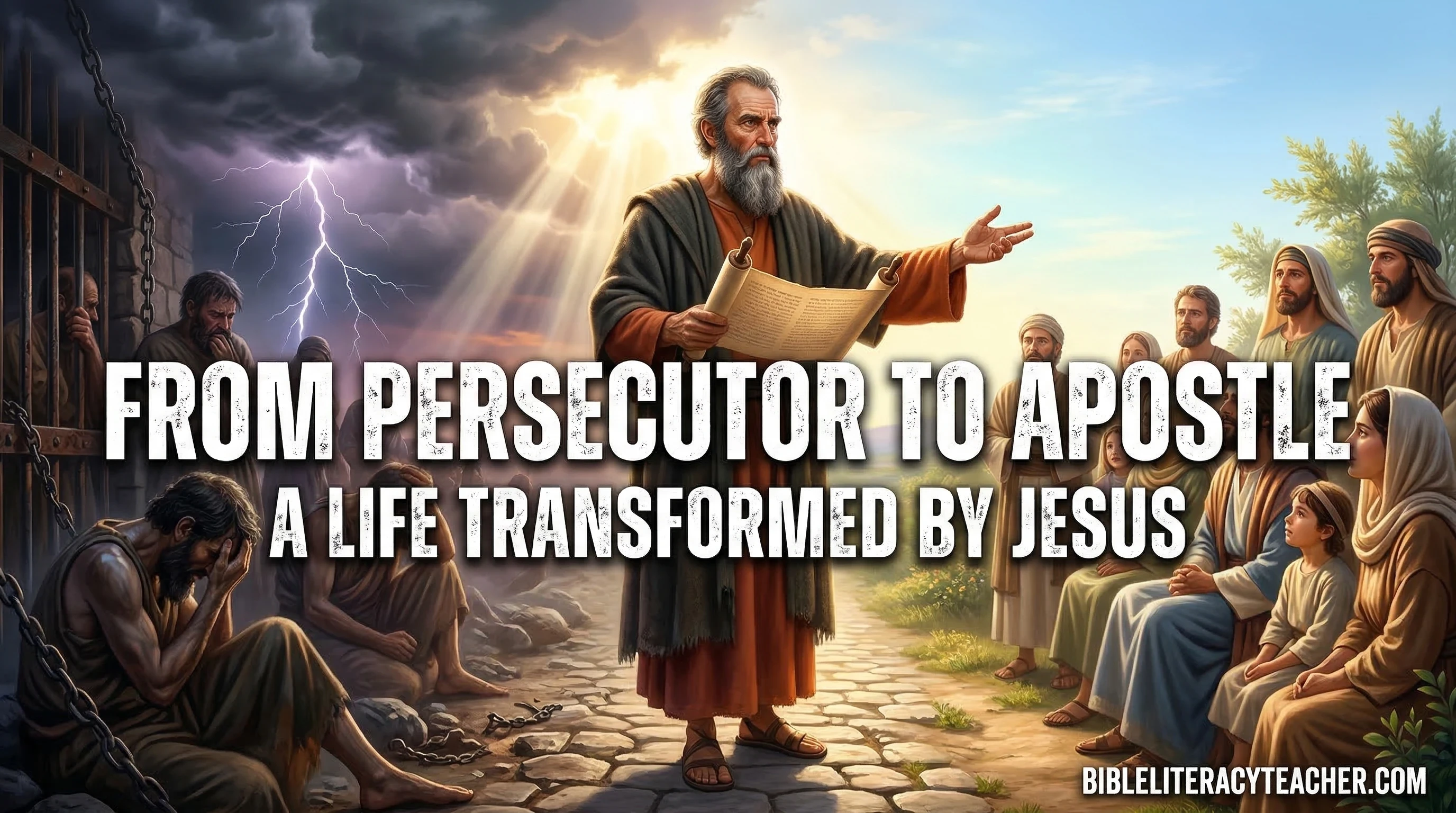 Apostle Paul transformation from darkness to light showing his journey from persecutor to follower of Jesus
The Damascus Road: Paul’s Pivotal Conversion
When you dig into the story of Paul, his conversion stands out as a landmark moment that dramatically shifted the trajectory of his life and Christianity itself. It’s recounted in Acts 9:1-19, where Paul (then known as Saul) is struck by a divine vision. Here’s the clincher: the fervent persecutor of Christians becomes Christ’s chosen vessel to spread the Gospel far and wide.
This is not a spiritual awakening. It marks a radical transformation for Paul. The experience is so profound that Paul, once an architect of the Church’s persecution, now emerges as its most ardent defender and missionary. It goes to show that life can be unpredictable, and even the staunchest beliefs can be upended by powerful, personal experiences.
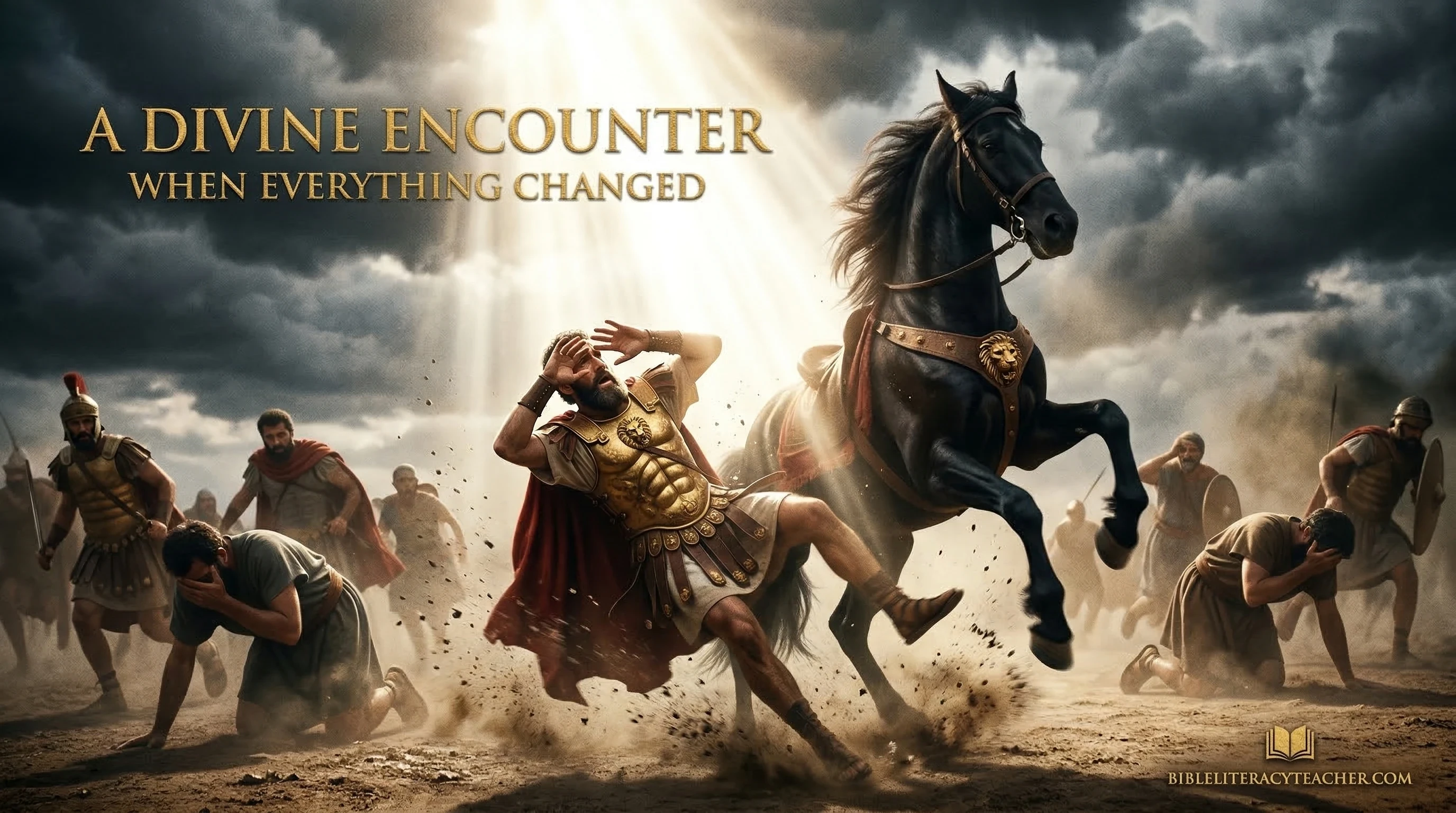 Saul conversion on the road to Damascus with bright divine light representing encounter with Jesus
The unsung hero in this narrative is Ananias. This disciple in Damascus doesn’t get the limelight he deserves. With divine guidance, Ananias welcomed Saul, the known persecutor, healed his blindness, and baptized him. If there’s a lesson here, it’s about the power of faith and obedience, even when it’s risky or defies logic. Ananias’ role was crucial in setting Saul on the path to becoming the Apostle Paul.
 Ananias praying for Saul restoring his sight showing faith and obedience
Paul’s conversion paves the way for his subsequent mission work. After this life-altering event, Paul doesn’t immediately begin his famed missionary journeys; instead, he spends time preparing, reflecting, and no doubt, reevaluating everything he knew about his faith. This sets the stage for what’s going to include some of the most remarkable and strenuous journeys in early Christianity, spreading the message he once sought to destroy.
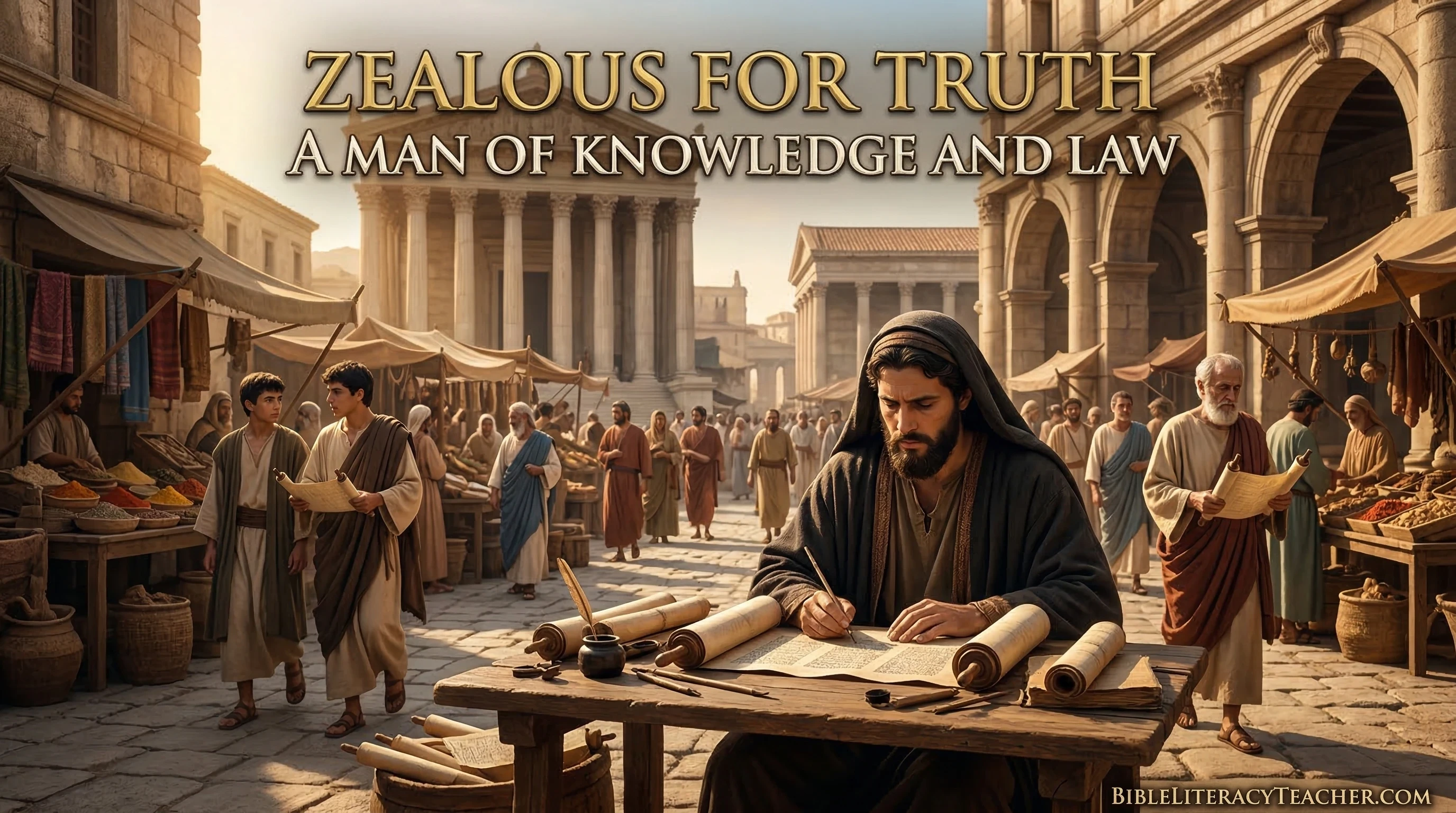 Young Saul studying Jewish law in Tarsus before becoming Apostle Paul showing his early education and dedication
The Missionary Heartbeat: Tracing Paul’s Journeys
I’m going to take you through the whirlwind adventure that was Paul’s missionary life. This is not to map his travels. It’s to understand the profound impact these journeys had on spreading Christianity.
Let’s start with the first missionary journey, chronicled in Acts 13-14. Departing from Antioch, Paul and his companion Barnabas set sail for Cyprus. Imagine the Mediterranean breeze as these two made their inaugural mark, preaching from town to town. In Asia Minor, they pressed on, facing opposition and establishing churches in the face of adversity.
But Paul didn’t stop there. The second missionary journey, discussed in Acts 15-18, stemmed from a fierce debate over circumcision in Antioch, a debate central to the young church’s identity. With an unwavering commitment to spreading the message, Paul expanded his travels into Europe, notably reaching Philippi, Thessalonica, and Corinth. It’s in this context that he penned his early epistles, like 1 Thessalonians and Galatians, guidance-oriented texts for the fledgling churches.
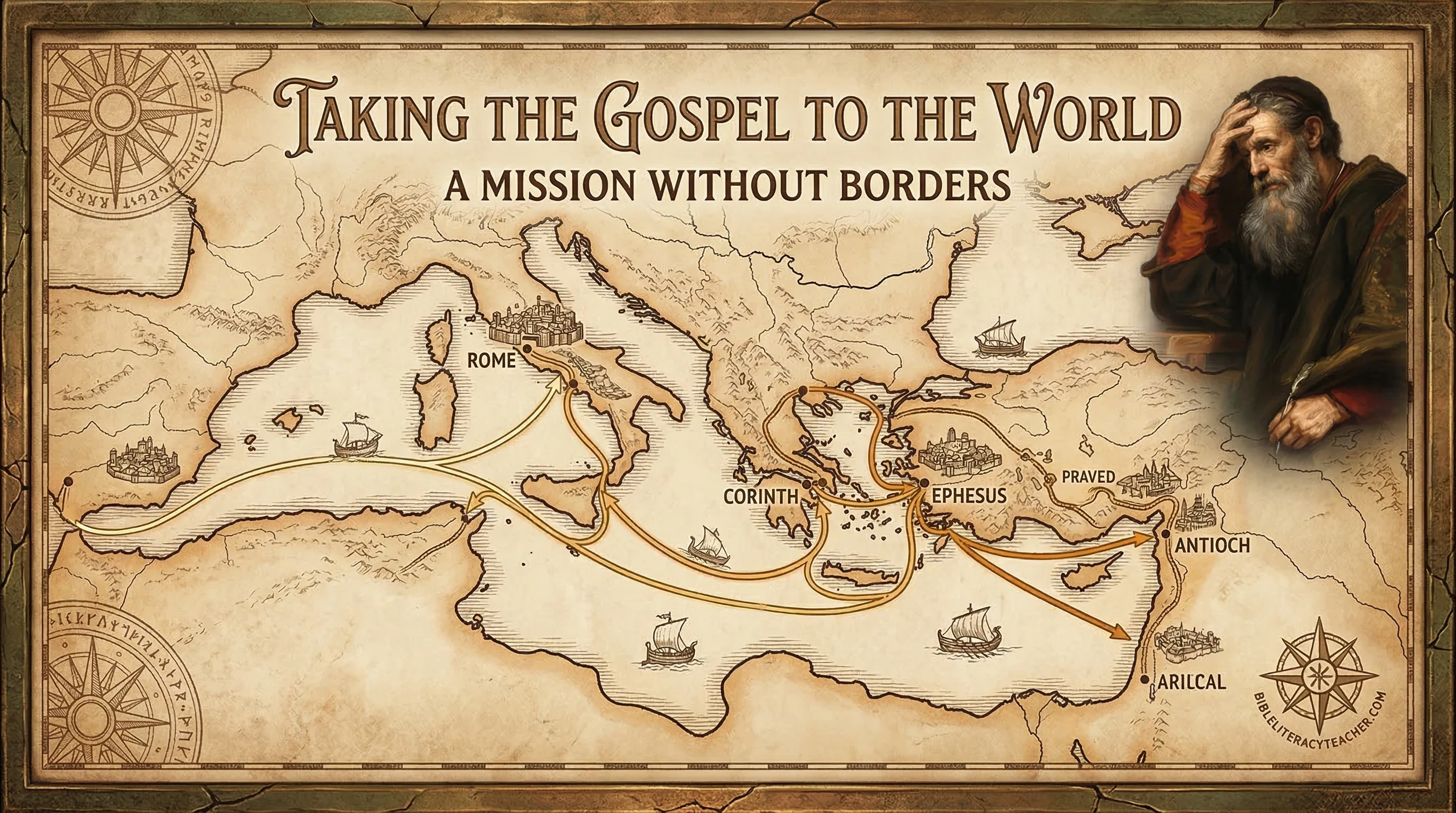 Map of Apostle Paul missionary journeys showing spread of Christianity across Roman Empire
By the time Paul embarked on his third missionary journey, detailed in Acts 18-21, he was a well-traveled apostle. Ephesus became a key focus, a hub for his ministry in Asia Minor where he stayed for several years. During this period, Paul’s support for the Jerusalem church shines through with his collection for the believers there. Yet, as his influence grew, so did the risks; his arrest in Jerusalem would lead to a fateful journey to Rome.
In the next section, we’re going to unpack some of the key themes and theological insights woven throughout the tapestry of Paul’s epistles, letters that carried his wisdom and direction to the many communities that were taking shape during these extraordinary journeys.
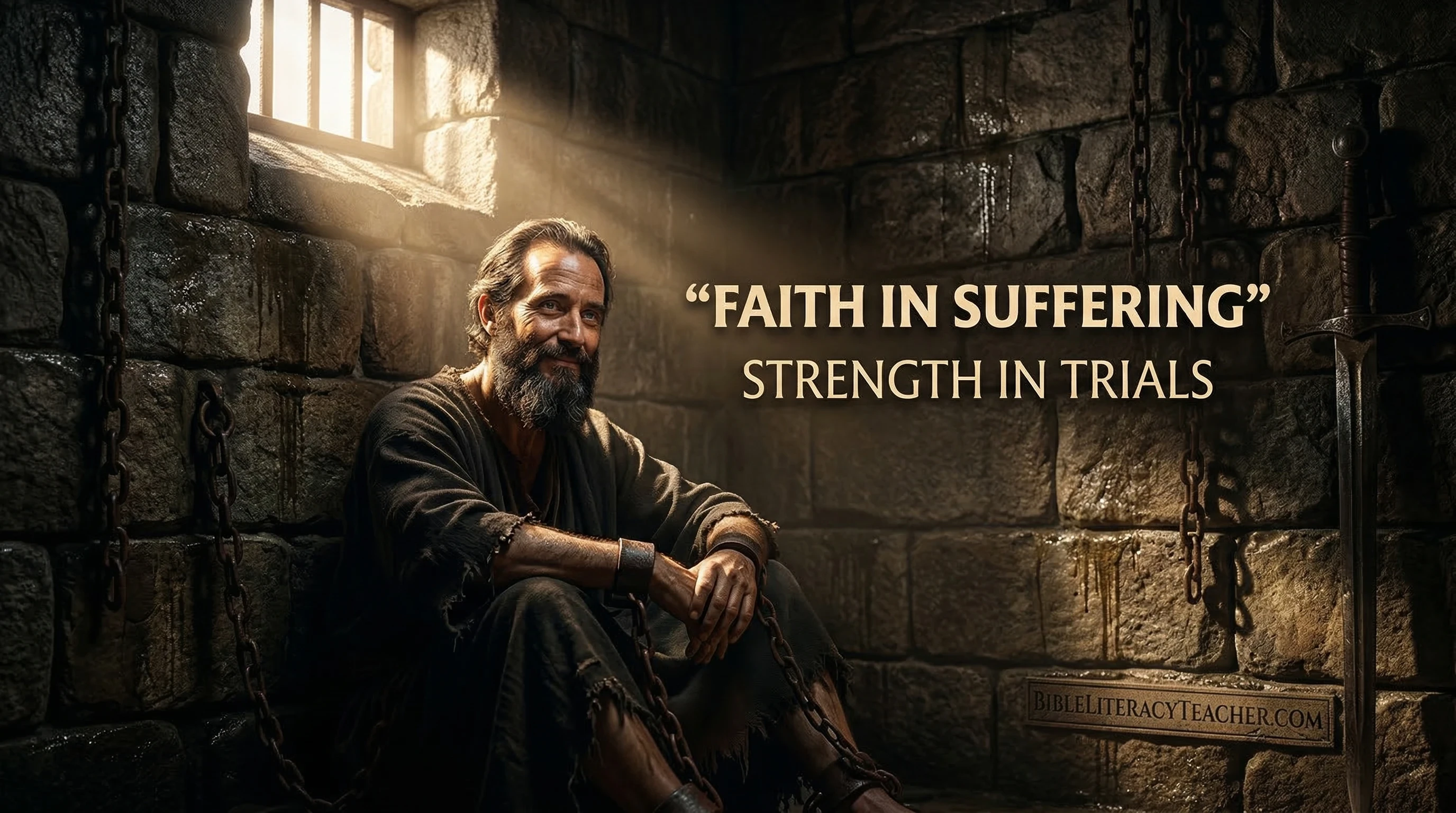 Apostle Paul in prison with light symbolizing hope and faith during suffering
Emerging Themes in Paul’s Epistles
Paul’s letters to the early churches weren’t just casual correspondence. They were foundational texts that would shape Christian theology for centuries to come. These epistles are rich with recurring themes that highlights the core of Paul’s message.
One theme you’re going to find out about is ‘justification by faith,’ a revolutionary concept at the time. Instead of adhering to the strict tenets of the Mosaic Law to earn righteousness, Paul introduced a shift with his letters to the Romans and Galatians. He argued that it’s faith in Jesus Christ that justifies and reconciles us to God.
But this is not just about individual salvation. It’s also about the role of the law. Paul’s discourse in Romans and Galatians brings clarity to the law’s purpose, helping believers understand its place in the new covenant of grace.
Now, imagine a diverse group of people with varied backgrounds unified as one. That’s the picture Paul paints with his words on ‘unity and diversity in the body of Christ’ in 1 Corinthians. He demonstrated how every individual contributes to the greater good of the community, celebrating differences within a united church.
Paul’s thoughts on ‘love and spiritual gifts,’ particularly in 1 Corinthians, are another focal point. He reminds us that spiritual gifts are less about personal empowerment and more about collectively enriching the church, cementing love as the most excellent way to serve one another.
Then there’s the important discussion on ‘the mystery of Christ and the church,’ which Paul unravels in Ephesians. He illustrates the profound and mystical union between Christ and the collective church, elevating the conversation to cosmic significance.
 Apostle Paul writing epistles by candlelight representing teachings in the New Testament
Walking the talk, Paul didn’t shy away from discussing ‘Christian ethics,’ encouraging believers in Colossians and Ephesians to lead lives worthy of their calling. He penned comprehensive guidelines that address interpersonal relationships, social conduct, and personal integrity.
Lastly, but certainly not least, Paul courageously confronted the issue of death by articulating a vibrant ‘eschatological hope and resurrection.’ His assurance of eternal life and the definitive resurrection of believers in 1 Thessalonians and 1 Corinthians provided comfort and motivation for the early Christians.
Paul’s theological contributions continue to resonate across time, and his writings lay a solid foundation that supports not just the structure of the early church, but the entire spread of Christianity. That’s exactly where we’re heading next, so stay tuned as I take you through the profound impact of Paul’s ministry in shaping the faith across the Roman Empire and beyond.
Paul’s Imprint on Christianity’s Canvas
Paul’s role in shaping the early church goes far beyond his extensive travels. His impact is most profoundly felt in how he cultivated Christianity within the vast expanse of the Roman Empire. By establishing congregations in major urban centers, Paul laid the groundwork for a movement that would eventually permeate the empire’s social and cultural fabric.
More than just founding churches, Paul’s theological insights spurred the development of a distinctive Christian theology and ethic. Through his epistles, Paul tackled complex issues such as the nature of Christ, salvation, and the conduct expected of Christ’s followers. His writings provided the fledgling communities with robust frameworks to understand their faith in relation to both Jewish traditions and the surrounding Hellenistic culture.
Paul’s work did not occur in a vacuum. His ideas resonated, evolved, and sometimes even clashed with the understandings of other early Christian figures. These exchanges were instrumental in sharpening the theological and ethical boundaries of the Christian faith. The apostle’s thorough letters offered a rich trove of wisdom that future leaders would continually draw upon, facing their own contextual challenges and questions.
Allies and Adversaries: Paul’s Biblical Relationships
Paul’s journey was by no means a solitary endeavor. Throughout his travels, he cultivated relationships that both propelled and challenged his mission. Notable figures like Barnabas, Silas, Timothy, and others accompany Paul. They became integral to his work, sharing in the hardships and triumphs of spreading the Christian message.
Paul’s collaboration with Barnabas, his initial mission partner, serves as an early example of partnership in ministry. Together, they navigated the complexities of preaching to both Jewish and Gentile audiences, laying the foundation for the nascent church.
Silas and Timothy also joined Paul in his crusade, becoming his confidants and emissaries. Their dedication not only furthered the Gospel but also blessed them with mentorship under Paul’s tutelage, preparing them for their future pastoral roles.
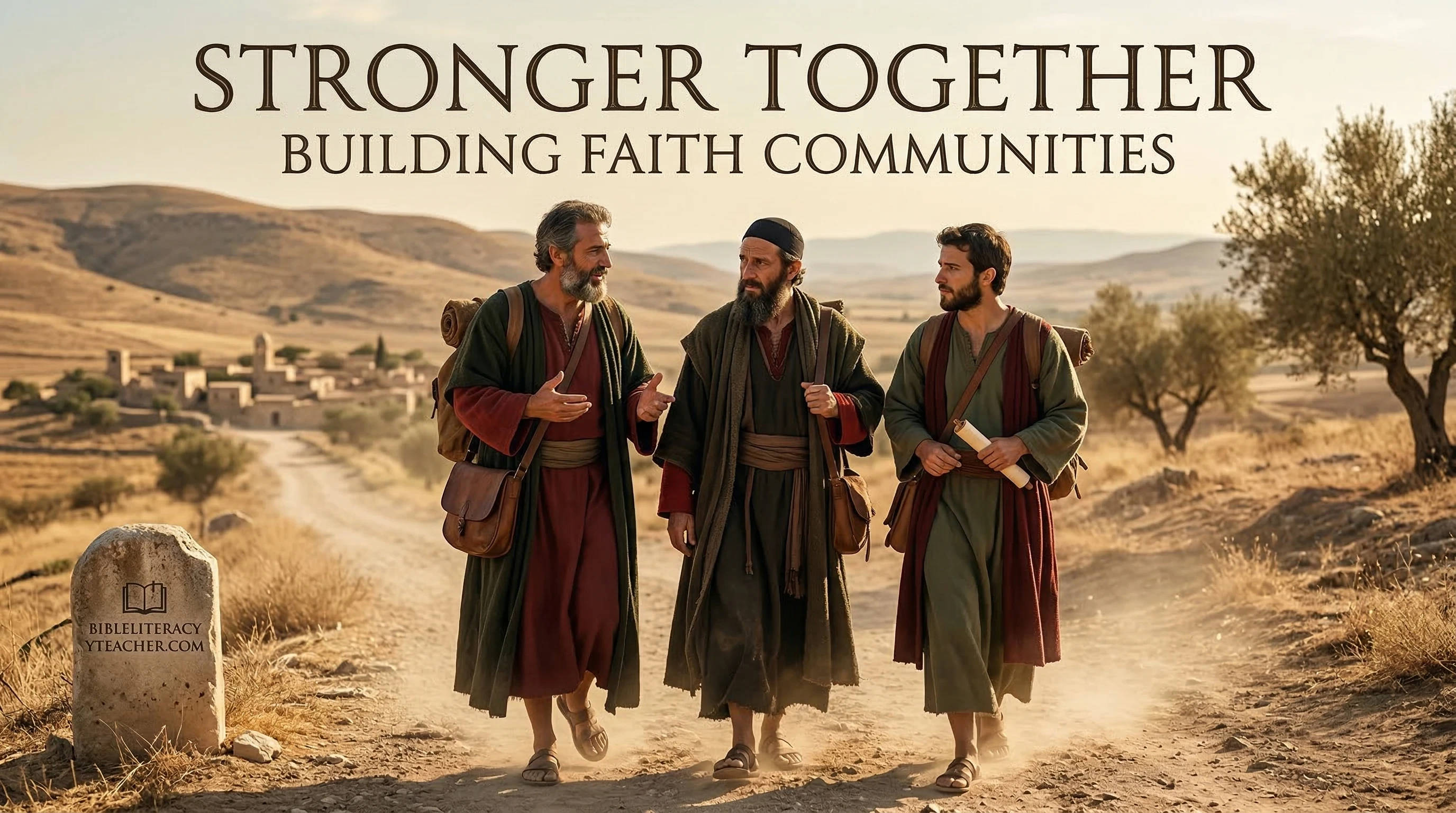 Paul traveling with Barnabas and companions spreading the Gospel and building early church
As for Paul’s relationship with prominent leaders like Peter and James, things get a bit complicated. Galatians chapter 2 provides a dramatic account of a disagreement with Peter, often dubbed the ‘Antioch Incident,’ where Paul openly rebuked Peter for withdrawing from eating with Gentiles, an account that highlights the tension between law and liberty within the early church.
This dispute, however, was not only about social practices. It was symptomatic of broader issues regarding the inclusion of Gentiles into what had been predominantly a Jewish sect. The counsel of Jerusalem, featuring both Paul and James, signifies the high-stakes nature of these theological deliberations and the centrality of Paul’s advocacy for the Gentile converts.
Lastly, Paul’s mentoring of younger leaders, such as Timothy and Titus, demonstrates his commitment to the sustainability of the Christian movement. His letters to them reveal a deep concern for sound doctrine, church leadership, and pastoral care, issues that undergirded the early communities of faith and have continued to shape Christian thought ever since.
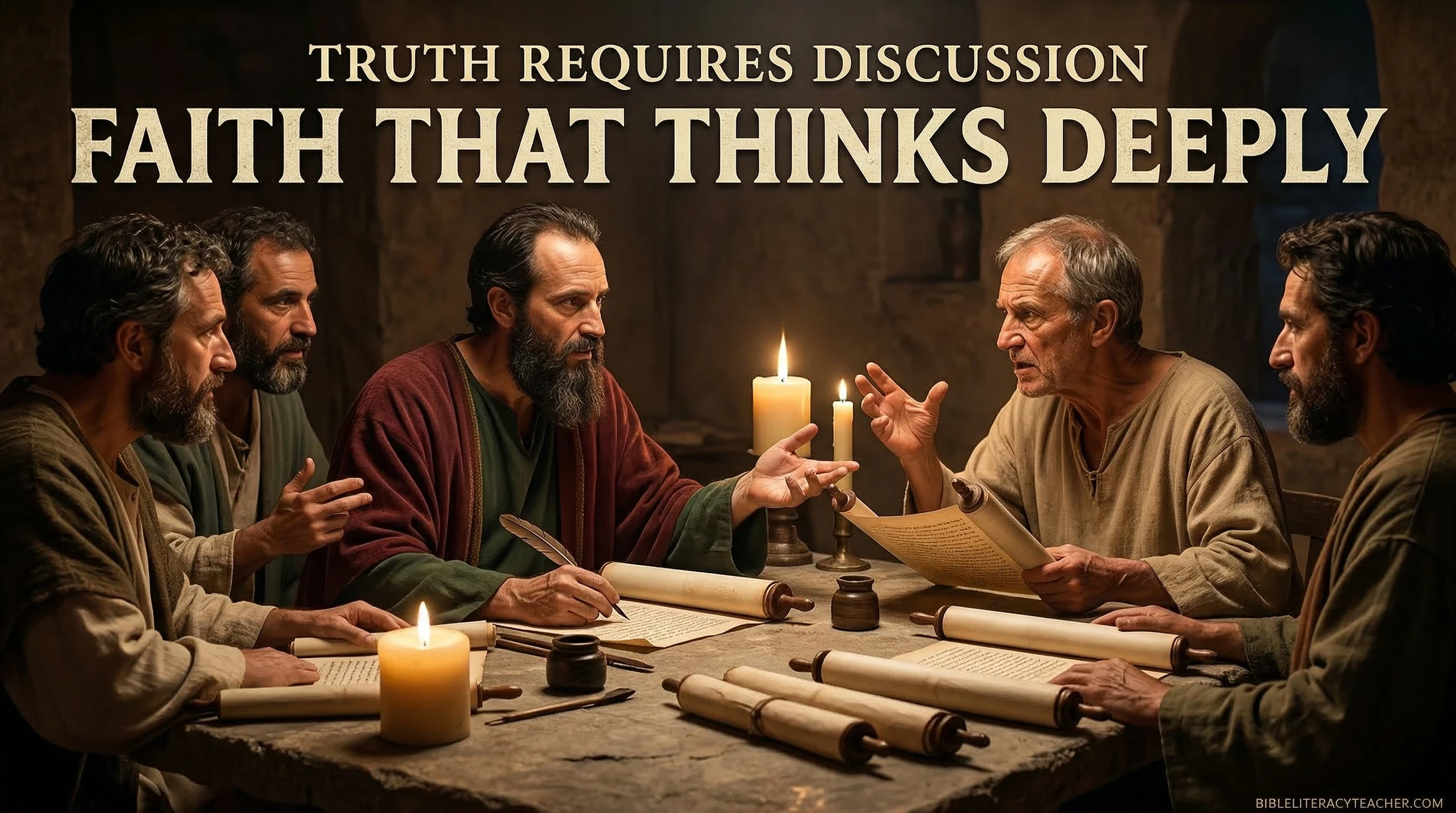 Early Christian leaders debating teachings of Paul showing theological discussions in early church
The Pauline Paradox: Controversies and Modern Reinterpretations
Paul’s teachings have always sparked vigorous debate and, at times, robust contention among believers and scholars alike. This is where I’m going to shed light on some of the contentious aspects of Pauline thought and how these discussions have evolved over centuries.
Fierce opposition confronted Paul during his ministry, notably from Judaizers, a term used to describe certain Christians insisting that Gentile believers must adopt Jewish customs. I’ll explore how Paul addressed these challenges, emphasizing grace over legalism, and the significance of this conflict for the early church’s identity.
I’m here to help you understand the range of critiques leveled at Paul’s theology and ethics. His teachings, occasionally characterized as difficult to interpret, have generated various narratives in both Christian and non-Christian writings throughout history.
You’re going to find out about how recent years have witnessed an uptick in discussions over Paul’s viewpoints concerning gender roles, sexuality, and socio-economic issues. It’s important to frame these conversations in both their historical context and their relevance to contemporary society.
The story of Paul’s past is significant to our current application of his teachings. In my opinion, grappling with these debates is essential for a well-rounded understanding of Paul’s impact on theology and social ethics.
Historical context is key when interpreting any figure from the past, and Paul is no different. His letters, crafted for specific communities with their unique challenges, often speak to broad, timeless themes in ways that continue to resonate or spark controversy today.
Choose something that resonates with you from Paul’s letters, and you’ll likely uncover a wellspring of theological and moral insight. Yet, it is also crucial to recognize the lenses through which we interpret these ancient texts. They become lenses of tradition, culture, or personal conviction.
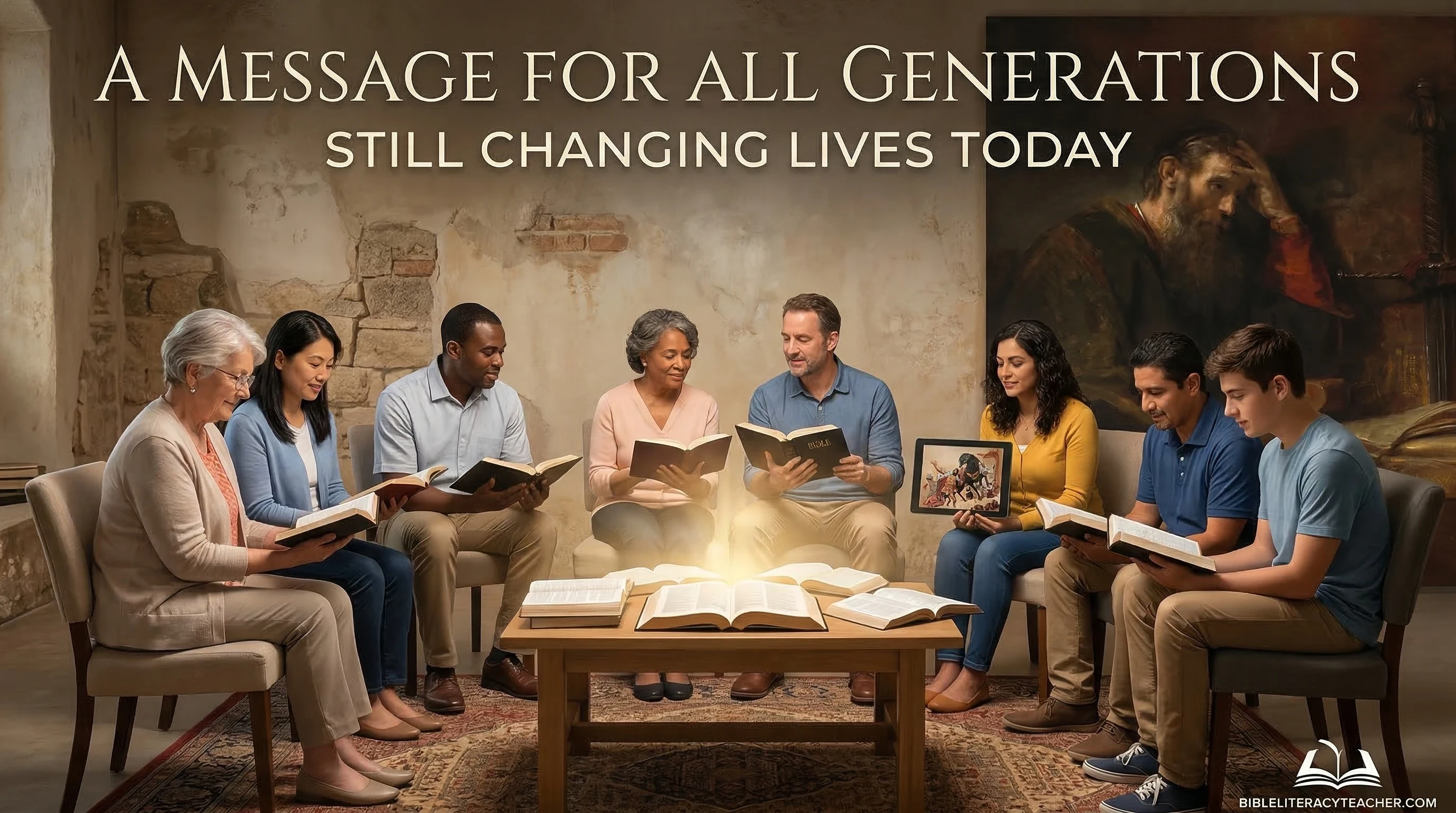 Modern believers inspired by Apostle Paul teachings showing global impact of Christianity
Legacy of Paul The Apostle: Reassessing Paul’s Role Today
Now, you’ve walked through the life, the seismic conversion, the extensive ministry, and the influential epistles of one of Christianity’s most pivotal figures: Paul. This is an invitation to appreciate how his teachings continue to echo through time, shaping faith and practice thousands of years later.
Paul’s enduring legacy in Christian history is a testament to the power of transformation and the impact of a life dedicated to a cause greater than oneself. Churches across the world still stand on the foundations he helped lay, and his theological insights remain cornerstones of Christian doctrine and ethical discourse.
Yet, the relevance of Paul’s teachings doesn’t only belong to the past. It illuminates paths in the present and offers guidance for the future. Contemporary believers find in Paul a mirror reflecting their own struggles with faith, community, and morality. From societal constructs to personal battles, Paul’s voice offers both challenge and comfort.
Encouraging further study and exploration of Pauline literature isn’t just an academic exercise; it is a journey to the heart of Christian identity and experience. The layers of his theology are rich with nuance, ripe for discovery and personal application. He wasn’t perfect, no historical figure is, but in his writings, we find genuine human experience intertwined with divine inspiration.
By engaging deeply with Paul’s life and letters, we not only honor his contribution to Christianity. We also nurture our own spiritual growth. Let this not be the end but rather a pause on your path to deeper understanding. As Paul himself might say, continue to ‘press on toward the goal’ and let the richness of his teachings inform your journey of faith.
Share your thoughts in the comment section below and I will be more than happy to get intouch with you.
Paul, M.
WhatsApp: +66982252990/+917085928263
Email: paulmondo@bibleliteracyteacher.com /info@bibleliteracyteacher.com
Website: www.bibleliteracyteacher.com
Social Media: Facebook | Twitter | Pinterest | LinkedIn | YouTube