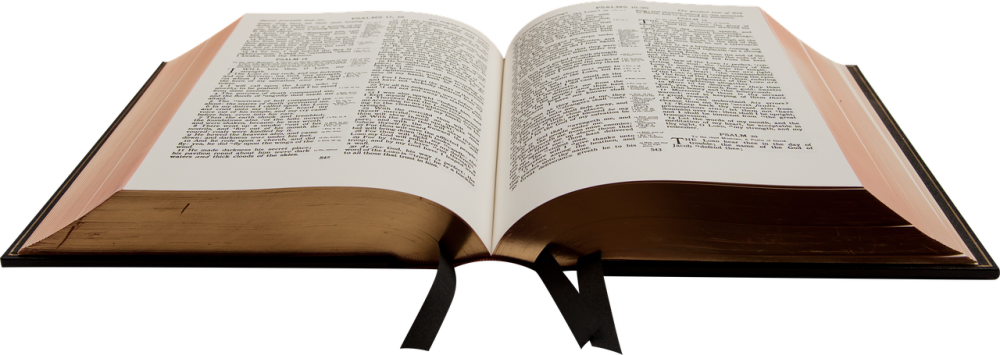
Anyone searching for the best study Bible for new believers will find a dozen confident answers, and most of them name a single winner. Five study Bibles come up again and again: the ESV Study Bible, the NIV Study Bible, the Life Application Study Bible, the CSB Study Bible, and the NLT Study Bible. Each is a sound, widely used choice from an established publisher, and each suits a different kind of reader.
This article puts all five through the same four questions, says where each is strong, and says where Christians genuinely differ. It does not name one winner, because the best first study Bible is the one you will open on an ordinary Tuesday.
One caution before we begin. Publishers revise their study Bibles, and some features change between editions. Treat what follows as a guide to each Bible’s general character, then confirm the contents of the exact edition you are buying on the publisher’s own page.
What a new believer needs from a study Bible (and what can wait)
A study Bible is a Bible with a second layer around the text: introductions to each book, notes at the bottom of the page, maps, charts, and short articles. For someone opening Scripture seriously for the first time, that second layer can be a great help or a source of confusion.

A new believer needs five things:
- A translation you can read aloud without stumbling. If the sentences are hard to follow, you will stop reading.
- Book introductions. Knowing who wrote Habakkuk, when, and why saves you from reading it like a modern letter.
- Notes that explain the passage. Customs, geography, word meanings, and how a verse connects to the rest of the Bible all belong here.
- Maps and a basic timeline. The Bible is set in real places across real centuries, and a map makes that visible.
- Cross-references. These point you from one passage to related ones, so Scripture helps explain Scripture.
Several features are useful later but are not essential on day one: long theological essays, detailed word studies, extended charts on textual history, and notes that debate between scholarly positions. If a Bible offers these, enjoy them when you are ready, but do not choose a Bible mainly for them.
One more point deserves attention early. The notes in a study Bible are written by people, and the text is written by God through human authors (2 Timothy 3:16-17). The two carry different authority, and a good study Bible makes that difference easy to see. We will keep returning to it.
How we compared them: four questions every beginner can ask
The same four questions apply to every Bible below. You can also use them on any other study Bible you meet in a bookshop.
- How easy is the translation to read? Translations sit on a range. Some follow the original wording closely, which can make sentences longer and more formal. Others reproduce the meaning in more natural modern English. Neither approach is wrong, and each trades something for something else.
- Do the notes explain the text, or push application? Explanation tells you what a passage said to its first readers and how it fits in Scripture. Application suggests what to do about it today. Beginners need both, but the balance differs from one study Bible to another.
- What helps are built in for someone new to Scripture? Think of book introductions, maps, outlines, charts, and cross-references, and how easy they are to find and use.
- How clearly do the notes separate Scripture from the editors’ interpretation? Every study Bible reflects the convictions of its editors, who are Christians writing within a tradition. The question is whether you can tell, at a glance, which words are Scripture and which are commentary, and whether the notes admit it when believers disagree.
The fourth question matters most and is the one beginners most often forget to ask.
Life Application Study Bible: when you want notes that connect Scripture to Monday morning
The Life Application Study Bible, published by Tyndale, is built around one purpose: helping readers move from understanding a passage to acting on it. Its notes are written to answer the question many new believers ask: “What does this have to do with my life?”
Translation. This is one of the few study Bibles available in more than one translation. Editions have been published in the NLT and the NIV, among others, and the translation you pick determines how easy the text is to read. Check the cover and the title page, because the same study notes can sit beside quite different wording.
Note style. The notes lean toward application. They give a brief explanation of the passage and then connect it to situations in a modern reader’s life, such as handling conflict, using time, or responding to temptation. That makes the Bible approachable, and it suits the Bible Literacy Teacher conviction that hearing God’s Word is not enough; we are told to practise it (James 1:22).
Built-in helps. Editions of the Life Application Study Bible typically include book introductions, maps, character profiles of people in Scripture, and an index of topics. Confirm the exact list for your edition.
Scripture versus interpretation. The notes are set apart from the text, so the layers are visible. The strength of this Bible is also its limit: application notes are, by nature, the editors’ judgment about how a passage applies. Two thoughtful Christians may apply the same passage differently, and a note that says “do this” can sound more settled than the text itself. Read each application note as a suggestion to weigh against the passage, not as a command added to it.
Best for: readers who want practical help turning Scripture into daily habits and who are happy to read the notes as one voice among several.
NIV Study Bible and NLT Study Bible: the easiest reading, and what the notes add

These two are grouped because they share a goal: to make Scripture readable for people with little background. They get there with different translations.
NIV Study Bible
The NIV Study Bible, from Zondervan, pairs the New International Version with notes aimed at explaining the text. The NIV is generally described as a balance between word-for-word and thought-for-thought translation, which makes it a middle path between the more formal and the more conversational options. Many churches use it, so it is also easy to follow along with a sermon.
Note style. The notes are mostly explanatory. They tend to give historical background, clarify difficult words, and show how a passage connects with the rest of the Bible. Compared with the Life Application Study Bible, there is less direct “here’s what to do” instruction and more “here’s what this means.”
Built-in helps. The NIV Study Bible includes book introductions and outlines, maps, charts, and cross-references. For a beginner, the introductions are among the most useful parts. Reading three paragraphs before you start a book changes how you read it.
Scripture versus interpretation. The notes appear below the text in a separate block, so the layers are clearly distinguished. Where there are differing views on a question, such as how to understand certain prophecies, the notes sometimes mention the options. How often they do varies, so look at a few difficult passages in the edition you are considering.
NLT Study Bible
The NLT Study Bible, published by Tyndale, uses the New Living Translation, which is widely regarded as the most conversational of the five translations in this article. Its aim is to express the meaning of each passage in natural English. For someone who finds other translations heavy going, this can be the difference between reading daily and giving up.
Note style. The notes aim to explain: context, background, how passages fit together, and the reasons behind certain translation choices. It is not mainly an application Bible, and it does not try to be.
Built-in helps. It includes book introductions, maps, and articles that give background on the Bible and its world. Verify the full list in your edition.
Scripture versus interpretation. Because the NLT is more interpretive in its wording, some readers pair it with a more literal translation when they want to study a verse closely. That is a reasonable habit, and it is no criticism of the NLT. A thought-for-thought translation has to decide what a phrase means before it can restate it, so the translators’ choices are already part of what you read. A good practice is to look up a key verse in a second translation when something seems to carry a lot of weight.
Best for: readers who want the smoothest reading experience, and who plan to build understanding over months rather than weeks.
ESV Study Bible and CSB Study Bible: more detail, and how steep the climb is for a beginner
These two lean toward more detailed notes and, in the ESV’s case, a more formal translation. That means more to learn from and more to work through.

ESV Study Bible
The ESV Study Bible, published by Crossway, uses the English Standard Version, which follows the original wording closely, in what its publisher describes as an essentially literal approach. The result is a text with a more formal rhythm. Many readers value it for study and memorisation, since it lets you see the structure of an argument, such as Paul’s long sentences in Romans. Others find it harder going at first.
Note style. The notes are extensive and detailed, with substantial articles and introductions. It is a reference work as well as a Bible. For a new believer, the volume of material can be overwhelming, but you do not have to read it all. Pick the passage you are reading, read the notes for that passage, and ignore the rest.
Built-in helps. The ESV Study Bible includes in-depth book introductions, maps, charts, and cross-references, along with longer articles on Bible background and interpretation. Check which of these are in your edition.
Scripture versus interpretation. The notes are clearly separated from the text. The editors and contributors write from within a particular evangelical tradition, and on debated topics such as baptism, church government, or the end times, the notes reflect their views. Many readers will agree with them, and many faithful Christians will not. This is not a reason to avoid the ESV Study Bible, but it is a reason to talk with your pastor or an older believer when a note touches a question your own church answers differently.
CSB Study Bible
The CSB Study Bible, from Holman (B&H), uses the Christian Standard Bible. Its translators describe the philosophy as optimal equivalence, which means staying close to the wording where the meaning is clear and moving to natural English where a literal rendering would confuse. In practice, the CSB reads more easily than the ESV and is more formal than the NLT.
Note style. The notes explain the text, supply background, and carry a good amount of detail, written by a team of evangelical scholars. The depth sits between the NIV and ESV study Bibles, in most readers’ experience.
Built-in helps. It includes book introductions, maps, and articles. As with every Bible here, check your edition’s list before you buy.
Scripture versus interpretation. The same principle applies as with the ESV: notes are set apart from the text, and they reflect the convictions of evangelical editors. Where traditions differ, read the note as one informed view.
Best for: readers who want serious notes without as steep a climb, and who like a translation that sits between formal and conversational.
Side-by-side table: reading level, note style, built-in helps, and size
This table summarises the general character of each Bible. It is deliberately broad, because exact features and dimensions vary by edition.
Study Bible Translation Reading ease Note style Built-in helps Size Life Application Study Bible NLT, NIV, and others (check the edition) Depends on the translation chosen Explanation plus strong emphasis on application Book introductions, maps, character profiles, topic index (typical) Full-size volume; varies by edition NIV Study Bible NIV Easy to moderate Mostly explanatory, with background and cross-references Introductions, outlines, maps, charts Full-size volume; varies by edition NLT Study Bible NLT Easiest of the five Explanatory, written in accessible language Introductions, maps, background articles Full-size volume; varies by edition CSB Study Bible CSB Moderate Detailed explanation from evangelical scholars Introductions, maps, articles Full-size volume; varies by edition ESV Study Bible ESV More formal; moderate to demanding Extensive, detailed notes and articles In-depth introductions, maps, charts, cross-references, articles Large and heavy; varies by edition
A word on size. All full study Bibles are large because the notes take up space. Before you buy, check the page dimensions and weight in the specific edition, and consider whether you will carry it to church, keep it on a desk, or read it in bed. A Bible that is awkward to hold tends to stay on the shelf. Some publishers offer slimmer editions with fewer notes, which can suit a beginner who wants the essentials.
Which one to pick for your situation, and how to keep Scripture above the notes once you own it
Match the Bible to the reader, using the situations below.
- You want the easiest possible reading. Start with the NLT Study Bible, or a Life Application Study Bible in the NLT.
- You want a familiar translation and balanced notes. The NIV Study Bible fits, particularly if your church uses the NIV.
- You want help applying what you read. The Life Application Study Bible was built for this. Pick the translation you find easiest to read.
- You want depth and expect to keep studying for years. The ESV Study Bible gives you the most material, and the CSB Study Bible gives you detailed notes with an easier text.
- Your church uses a particular translation. Following along in the same translation as the sermon helps you retain what you hear. Ask your pastor or small group leader which they use.
- You are Catholic or Orthodox. The five Bibles above contain the 66 books of the Protestant canon. If your tradition includes additional books, look for a study Bible from a publisher in your own tradition.
If two choices still look equal, go to a bookshop, open each one to a passage you know, such as Psalm 23 or John 3, and read the notes. Choose the one you want to keep reading.
Keeping Scripture above the notes
Whichever Bible you buy, a few habits keep the text in first place.

- Read the passage before you read the note. Read a whole paragraph or chapter, ask what it says, then check the note. Your own reading comes first, and the note then corrects or deepens it.
- Treat notes as an informed opinion. The Bereans in Acts 17:11 listened to Paul, then searched the Scriptures daily to check whether what he said was so. That is a good model for reading any commentary, including the ones printed at the bottom of your Bible.
- Notice where the notes disagree with each other or with your church. A difference between two study Bibles is a prompt for further study, and a good one to bring to your pastor or a trusted older believer.
- Compare a key verse in a second translation. Free online tools make this a thirty-second job and often show you something the first translation smoothed over.
- Let the Bible read you. Psalm 119:105 says God’s Word is a lamp to the feet. Notes help you see the lamp, but the light comes from the text. Ask what the passage requires of you, and what in your thinking it challenges, before you ask what the notes say.
A study Bible is a tool for reading Scripture well, and none of the five above is the only good choice. Pick the one you will use, read the text first, and keep asking God to teach you through it.
Where to go next
If you want the method behind this comparison, our guide on how to choose your first study Bible without buying the wrong one walks through it step by step. And if you would like new beginner Bible study lessons sent to you as we publish them, join the Bible Literacy Teacher email newsletter.